

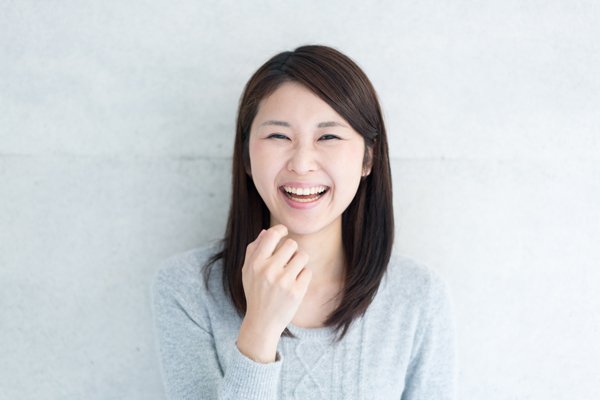
As a dentist Borehamwood, at Orthoclinic we’ve spent years observing the fascinating interplay between our daily habits and oral health. One aspect that often surprises patients is the profound impact that something as natural and joyful as laughter can have on facial muscle development and dental alignment. The way we laugh, how frequently we do it, and the muscles we engage during those moments of mirth all contribute to the structural development of our faces and the positioning of our teeth.
The Biomechanics of Laughter
When we laugh, we activate a complex network of facial muscles that extends far beyond a simple smile. The zygomaticus major and minor muscles pull our mouth corners upward, whilst the orbicularis oculi creates those delightful crow’s feet around our eyes. Simultaneously, the risorius muscle stretches our lips horizontally, and deeper muscles throughout the jaw and cheek regions engage in a coordinated symphony of movement. Each laugh pattern creates unique pressure distributions across the facial structure, influencing muscle tone and development over time.
Different Laughter Styles and Their Effects
The Hearty Laugh
Those who engage in full-bodied, unreserved laughter activate their entire facial muscular system. This type of laughter engages not only the superficial muscles but also the deeper masseter and temporalis muscles connected to jaw movement. The repeated contraction and relaxation of these muscles promotes balanced development and can contribute to maintaining proper jaw alignment throughout life.
The Subtle Smile-Laugh
Individuals who favour a more restrained, closed-mouth laugh pattern engage different muscle groups. This style typically involves less movement of the lower facial muscles and jaw, focusing instead on the upper cheek and eye regions. As a dentist Borehamwood, we’ve observed that patients with predominantly subtle laugh patterns may develop different facial muscle tone distributions compared to their more exuberant counterparts.
Long-Term Implications for Dental Alignment
The relationship between laughter patterns and dental alignment becomes particularly evident when we consider the constant, low-level forces that facial muscles exert on our teeth and jaw structure. Unlike the brief, intense pressures from chewing, the cumulative effect of thousands of laughs over years creates sustained directional forces. These forces can influence tooth positioning, particularly in individuals whose skeletal development is still occurring during childhood and adolescence.
Regular engagement of facial muscles through genuine laughter promotes healthy blood circulation to the periodontal tissues, supporting the structures that hold teeth in place. The rhythmic contractions help maintain muscle elasticity and tone, which in turn supports proper jaw positioning. This is particularly beneficial for individuals who may be prone to tension-related dental issues such as grinding or clenching.
Optimising Your Laughter for Dental Health
Whilst we would never suggest suppressing your natural expressions of joy, understanding how laughter affects your oral health can be enlightening. Here are several considerations for maintaining optimal facial muscle balance:
- Embrace variety in your expressions rather than habitually favouring one laugh style
- Be mindful of excessive tension in your jaw during laughter, allowing natural relaxation between episodes
- Maintain regular dental check-ups to monitor any changes in alignment or muscle-related concerns
- Consider facial exercises that complement your natural laughter patterns to ensure balanced muscle development
The Broader Picture of Facial Wellness
As a dentist Borehamwood, we view laughter as one component within the larger framework of facial and dental health. The benefits of genuine laughter extend well beyond muscle development, contributing to reduced stress levels, improved immune function, and enhanced overall wellbeing. These systemic benefits indirectly support oral health by reducing inflammation and promoting better healing responses throughout the body.
Your laughter patterns are uniquely yours, shaped by personality, culture, and life experiences. Rather than viewing them as something to modify, we encourage patients to celebrate their natural expressions whilst maintaining awareness of their oral health through regular professional care and mindful attention to facial muscle balance.